
Gujarati
Gujarat, India Gujarati
Gujarati culture is rich in traditions, language, and history, primarily associated with the state of Gujarat in India.
Historical Context
Gujarati culture has a rich history dating back to ancient civilizations like the Indus Valley. It has been influenced by various dynasties, including the Mauryas, Guptas, and Mughals.
Migration Patterns
Gujarati people have migrated globally, establishing significant communities in the UK, USA, and East Africa.
Conflict And Resilience History
The region has faced invasions and conflicts but has shown resilience through cultural preservation and economic growth.
Diaspora Perspectives
The Gujarati diaspora maintains strong cultural ties through festivals, language, and business networks.
Regional Variations
Within Gujarat, cultural practices vary between regions such as Saurashtra, Kutch, and North Gujarat.
Bridging Notes
Gujarati culture acts as a bridge between traditional Indian values and modern global influences.
Spiritual And Religious Practices
Predominantly Hindu, with significant Jain and Muslim communities. Practices include temple worship, meditation, and festivals like Navratri and Diwali.
Beliefs And Worldview
Emphasis on karma, dharma, and community service. Family and social harmony are highly valued.
Cultural Proverbs Sayings
Common sayings reflect wisdom and practical life lessons, often emphasizing patience and perseverance.
Naming Conventions And Terms Of Address
Names often have religious significance, with common prefixes like 'Shri' for respect. Elders are addressed with honorifics.
Health And Mental Health
Traditional health practices coexist with modern medicine. Ayurveda and yoga are popular for holistic well-being.
Mental Health Views
Mental health is gaining attention, though stigma remains. Community support is crucial.
Traditional Healers
Ayurvedic practitioners and herbalists are common, especially in rural areas.
Gender Roles In Healthcare
Women often manage family health, but decision-making can be male-dominated.
Healthcare Barriers
Access to healthcare can be limited in rural areas, with language and economic barriers.
Education And Learning Styles
Education is highly valued, with a focus on rote learning and academic excellence. Increasing emphasis on critical thinking.
Learning Styles
Visual and auditory learning are common, with a strong emphasis on memorization.
Parental Engagement
Parents are highly involved in children's education, often prioritizing academic success.
Family And Social Structure
Joint families are common, with a patriarchal structure. Community ties are strong, with social gatherings playing a key role.
Discipline And Behavior
Respect for elders and adherence to social norms are emphasized. Discipline is often strict.
Authority Attitudes
Respect for authority figures, such as elders and community leaders, is deeply ingrained.
Etiquette And Customs
Hospitality is a core value, with customs like removing shoes before entering homes and greeting with 'Namaste'.
Community Strengths Resilience
Strong community networks provide support during crises, fostering resilience and collective problem-solving.
Art Music And Expression
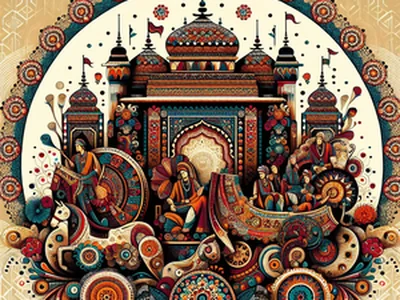
Rich tradition of folk music and dance, including Garba and Dandiya. Handicrafts and textiles are renowned.
Cultural Symbols Motifs
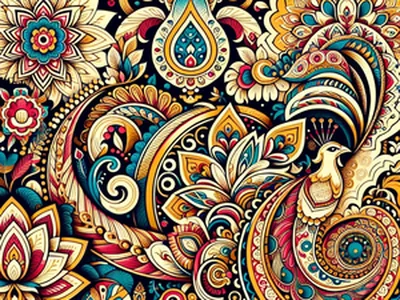
Peacocks, lotus flowers, and intricate geometric patterns are common motifs in art and textiles.
What Brings Joy
Festivals, family gatherings, and community events are sources of joy and celebration.
Celebrations Joyful Traditions
Navratri, Diwali, and Uttarayan are major festivals celebrated with dance, music, and feasting.
Cultural Calendar And Holidays
The Gujarati calendar includes numerous religious and cultural holidays, often linked to agricultural cycles.
Additional Notes
Gujarati culture is characterized by its vibrant colors, lively music, and a strong sense of community.
Economic Context And Occupations
Economy driven by agriculture, textiles, and diamond industries. Entrepreneurship is highly valued.
Housing And Living Arrangements
Urban areas see nuclear families, while rural areas often have joint family setups.
Nutrition And Dietary Norms
Predominantly vegetarian diet, with staples like rice, lentils, and a variety of spices.
Interpretation Needs
Gujarati speakers may require interpretation services in non-Gujarati speaking regions.
Interpreter Notes
Interpreters should be aware of regional dialects and cultural nuances.
Documentation Traditions
Oral traditions are strong, with a rich history of storytelling and folk tales.
Interactions With Other Cultures
Gujarati culture has interacted with various cultures through trade and migration, fostering a spirit of adaptability.
Conflict Resolution Mechanisms
Community elders and panchayats (village councils) often mediate disputes.
Cultural Exchange Programs
Cultural exchange programs with other Indian states and countries promote mutual understanding.
Trade Relations
Historically, Gujarat has been a hub for trade, with strong connections to Africa, the Middle East, and Southeast Asia.
Shared Artistic Projects
Collaborations in music and arts with other cultures are common, reflecting a blend of influences.
Intercultural Marriages
Intercultural marriages are increasingly common, reflecting broader social acceptance.
Shared Educational Initiatives
Educational collaborations with international institutions are growing, enhancing cultural exchange.
Youth Perspectives
Youth are increasingly global in outlook, balancing traditional values with modern aspirations.
Education Initiatives
Focus on STEM education and skill development to prepare youth for global opportunities.
Future Challenges
Balancing modernization with cultural preservation is a key challenge.
Youth Employment Trends
Rising interest in entrepreneurship and technology sectors among youth.
Future Visions
Vision for a progressive society that retains cultural roots while embracing innovation.
Youth Leadership Roles
Youth are taking on leadership roles in community and business, driving social change.
Innovation And Startups
Gujarat is emerging as a hub for startups, with a focus on technology and sustainable solutions.
Festivals And Celebrations
Festivals like Navratri and Diwali are celebrated with dance, music, and community gatherings.
Traditional Medicine Practices
Ayurveda and herbal remedies are widely practiced, especially in rural areas.
Environmental Practices
Community initiatives focus on water conservation and sustainable agriculture.
Rituals
Rituals often involve prayers, offerings, and community participation, reflecting deep spiritual beliefs.
Rites Of Passage
Ceremonies mark key life stages, such as birth, marriage, and death, with specific rituals and customs.
Culinary Traditions
Cuisine is diverse, with dishes like dhokla, thepla, and khandvi being popular.
Climate Adaptation Strategies
Efforts include rainwater harvesting and crop diversification to adapt to climate change.
Biodiversity Conservation
Community-led initiatives focus on preserving local flora and fauna.
Sustainable Tourism Practices
Promoting eco-friendly tourism to preserve cultural and natural heritage.
Renewable Energy Use
Increasing adoption of solar energy in rural and urban areas.
Community Involvement In Practices
Strong community participation in environmental and cultural preservation efforts.
Environmental Education Programs
Programs in schools and communities raise awareness about environmental issues.
Notable Figures
Mahatma Gandhi, Sardar Vallabhbhai Patel, and Vikram Sarabhai are prominent figures from Gujarat.
Cultural Innovations
Innovations in textile design and handicrafts are notable cultural contributions.
Literary Works
Gujarati literature includes works by poets like Narsinh Mehta and novelists like Govardhanram Tripathi.
Architectural Styles
Distinctive styles include stepwells and intricately carved temples.
Scientific Contributions
Contributions in fields like space research and pharmaceuticals are significant.
Culinary Innovations
Fusion of traditional and modern flavors in Gujarati cuisine is gaining popularity.
Global Influence
Gujarati diaspora has a significant impact on global business and cultural landscapes.
Awards And Recognition
Gujarati individuals and organizations have received national and international awards for contributions in various fields.
Modern Influences
Globalization has introduced new cultural elements, blending with traditional practices.
Digital Presence
Growing digital presence with active participation in social media and online platforms.
Globalization Effects
Increased exposure to global cultures has influenced fashion, food, and lifestyle.
Urbanization Effects
Urbanization is leading to changes in family structures and living arrangements.
Technology Adoption
Rapid adoption of technology in education, business, and daily life.
Hybrid Cultural Forms
Emergence of hybrid cultural forms in music, art, and cuisine.
Social Media Presence
Active engagement on platforms like Facebook, Instagram, and WhatsApp for cultural exchange and community building.
Challenges
Preserving traditional practices amidst modernization and globalization is a key challenge.
Preservation Efforts
Efforts include cultural festivals, educational programs, and community initiatives to preserve heritage.
Cultural Artwork
Community Discussion
Further Reading
Explore credible external sources to deepen your understanding of Gujarati culture.