
Ghanaian
West Africa AkanEweGaDagbani
Ghanaian culture is a rich tapestry of traditions, languages, and practices that reflect the country's diverse ethnic groups and historical influences.
Historical Context
Ghana has a rich history that includes the powerful Ashanti Empire, colonial rule by the British, and its role as a leader in the African independence movement.
Migration Patterns
Historically, there have been migrations from the Sahel region, as well as internal movements due to trade and colonial influences.
Conflict And Resilience History
Ghana has experienced periods of conflict, particularly during the colonial era and post-independence, but has shown resilience through peaceful transitions of power.
Diaspora Perspectives
The Ghanaian diaspora is active in countries like the USA, UK, and Canada, contributing to cultural exchange and economic development back home.
Regional Variations
Cultural practices vary significantly between the northern and southern regions, influenced by different ethnic groups and historical developments.
Bridging Notes
Efforts to bridge cultural differences within Ghana focus on promoting national unity and celebrating diversity through festivals and national events.
Spiritual And Religious Practices
Ghana is religiously diverse, with Christianity, Islam, and traditional African religions being the most practiced. Spirituality often intertwines with daily life and community events.
Beliefs And Worldview
Ghanaians generally hold a communal worldview, emphasizing the importance of family, respect for elders, and community support.
Cultural Proverbs Sayings
Proverbs are an integral part of Ghanaian communication, often used to convey wisdom and cultural values, such as 'Wisdom is like a baobab tree; no one individual can embrace it.'
Naming Conventions And Terms Of Address
Names often reflect the day of the week a person is born, such as 'Kwame' for Saturday-born males, and respect is shown through titles and honorifics.
Health And Mental Health
Health practices in Ghana combine modern medicine with traditional healing methods. Mental health is gaining attention, though stigma remains.
Mental Health Views
Mental health issues are often misunderstood, with traditional beliefs attributing them to spiritual causes, though awareness is improving.
Traditional Healers
Traditional healers play a significant role in healthcare, providing herbal remedies and spiritual guidance.
Gender Roles In Healthcare
Women are often primary caregivers, but there is increasing gender equality in professional healthcare roles.
Healthcare Barriers
Barriers include limited access to healthcare facilities in rural areas and financial constraints.
Education And Learning Styles
Education in Ghana is valued, with a focus on both formal schooling and informal learning through community and family.
Learning Styles
Ghanaian students often learn through rote memorization, storytelling, and practical application.
Parental Engagement
Parents are actively involved in their children's education, often prioritizing it despite economic challenges.
Family And Social Structure
The extended family is central to Ghanaian society, with strong kinship ties and communal living arrangements.
Discipline And Behavior
Discipline is often community-based, with elders playing a key role in guiding behavior and resolving conflicts.
Authority Attitudes
Respect for authority is deeply ingrained, with elders and community leaders holding significant influence.
Etiquette And Customs
Etiquette emphasizes respect, greetings, and hospitality, with customs varying across ethnic groups.
Community Strengths Resilience
Ghanaian communities are known for their resilience, strong social networks, and ability to adapt to change.
Art Music And Expression
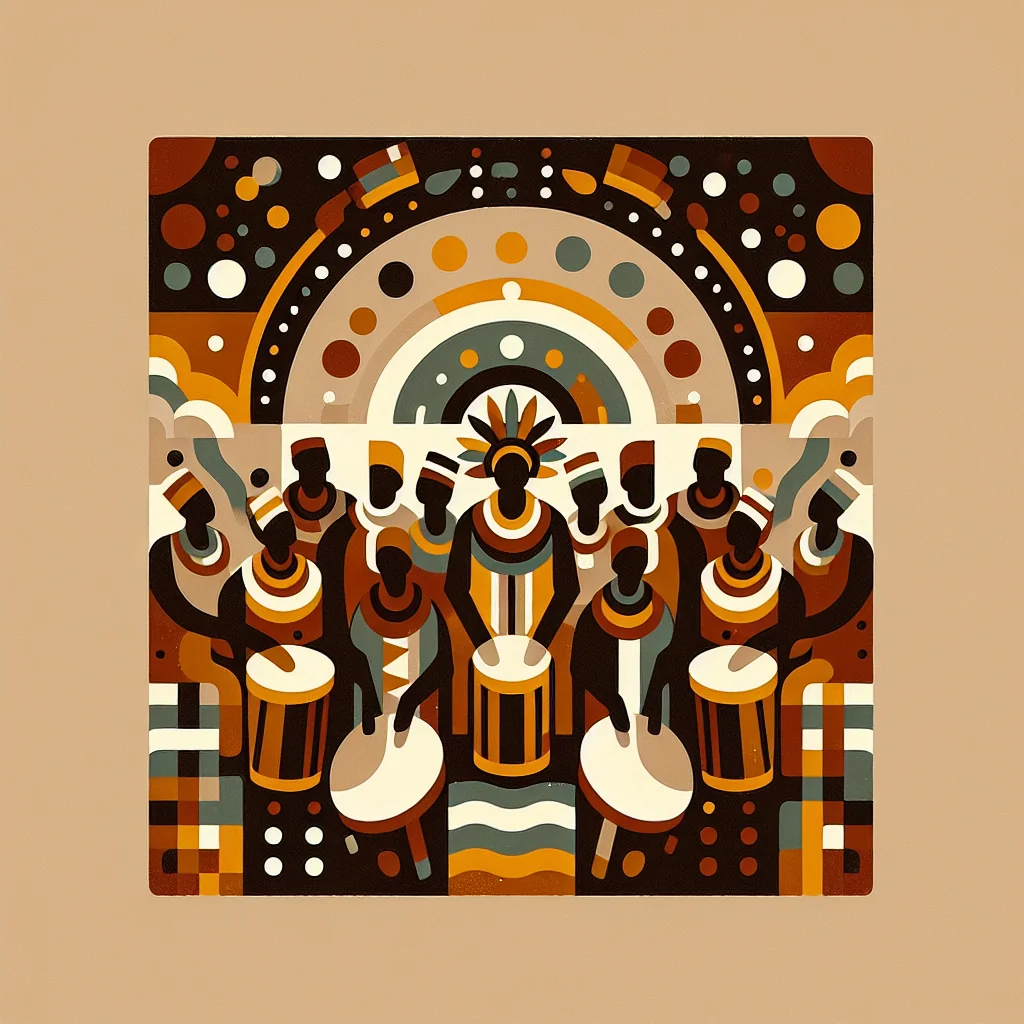
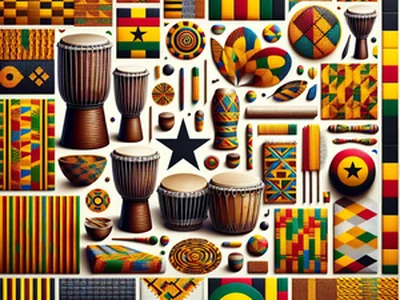
Ghanaian art and music are vibrant and diverse, with traditional drumming, highlife music, and kente weaving being prominent forms of expression.
Cultural Symbols Motifs
Symbols like the Adinkra are used in art and textiles to convey messages and cultural values.
What Brings Joy
Music, dance, and communal gatherings are sources of joy, reflecting the importance of celebration in Ghanaian culture.
Celebrations Joyful Traditions
Festivals such as Homowo, Aboakyir, and Hogbetsotso are celebrated with music, dance, and community feasts.
Cultural Calendar And Holidays
The cultural calendar includes both traditional festivals and national holidays like Independence Day and Founders' Day.
Additional Notes
Ghanaian culture is dynamic, with a rich blend of traditional and contemporary influences shaping its expression.
Economic Context And Occupations
Ghana's economy is diverse, with agriculture, mining, and services being key sectors. Informal trade is also significant.
Housing And Living Arrangements
Housing varies from urban apartments to rural compounds, often reflecting economic status and family structure.
Nutrition And Dietary Norms
Diet is based on staples like maize, rice, and cassava, with soups and stews being common. Meals are often communal.
Interpretation Needs
Interpretation services are often needed in healthcare and legal settings due to the multilingual nature of Ghana.
Interpreter Notes
Interpreters must be culturally sensitive and aware of regional dialects and variations.
Documentation Traditions
Oral traditions are strong, but written documentation is increasingly used in education and governance.
Interactions With Other Cultures
Ghanaians are known for their hospitality and openness to cultural exchange, fostering positive interactions with other cultures.
Conflict Resolution Mechanisms
Traditional conflict resolution often involves community elders and chiefs, emphasizing dialogue and reconciliation.
Cultural Exchange Programs
Ghana participates in various cultural exchange programs, promoting mutual understanding and learning.
Trade Relations
Ghana has strong trade relations with neighboring countries and international partners, focusing on exports like cocoa and gold.
Shared Artistic Projects
Collaborations in music and art are common, with Ghanaian artists participating in international festivals and exhibitions.
Intercultural Marriages
Intercultural marriages are increasingly common, reflecting the blending of cultures and traditions.
Shared Educational Initiatives
Educational partnerships with institutions abroad enhance learning opportunities and cultural exchange.
Youth Perspectives
Ghanaian youth are increasingly focused on education, entrepreneurship, and technology, driving social and economic change.
Education Initiatives
Initiatives like free senior high school education aim to improve access and quality of education for all youth.
Future Challenges
Challenges include unemployment, access to quality education, and adapting to global economic changes.
Youth Employment Trends
Youth employment is concentrated in the informal sector, with growing opportunities in technology and services.
Future Visions
The vision for Ghana's future includes sustainable development, technological advancement, and cultural preservation.
Youth Leadership Roles
Youth are increasingly taking on leadership roles in politics, business, and social movements.
Innovation And Startups
Ghana's startup ecosystem is vibrant, with young entrepreneurs driving innovation in technology, agriculture, and services.
Festivals And Celebrations
Festivals like the Chale Wote Street Art Festival and Panafest celebrate Ghanaian culture and heritage.
Traditional Medicine Practices
Herbal medicine and spiritual healing are integral to traditional healthcare practices.
Environmental Practices
Community-based conservation efforts focus on protecting natural resources and promoting sustainable practices.
Rituals
Rituals are performed for various life events, including birth, marriage, and death, often involving music and dance.
Rites Of Passage
Rites of passage, such as the Dipo ceremony, mark the transition to adulthood and are significant cultural events.
Culinary Traditions
Ghanaian cuisine is diverse, with dishes like jollof rice, fufu, and banku being staples, often shared communally.
Climate Adaptation Strategies
Strategies include sustainable agriculture practices and community education on climate resilience.
Biodiversity Conservation
Efforts focus on protecting biodiversity hotspots like Kakum National Park and promoting eco-tourism.
Sustainable Tourism Practices
Sustainable tourism initiatives aim to preserve cultural heritage while benefiting local communities.
Renewable Energy Use
Ghana is investing in renewable energy sources like solar and wind to meet growing energy demands.
Community Involvement In Practices
Community involvement is crucial in environmental conservation and cultural preservation efforts.
Environmental Education Programs
Programs aim to raise awareness about environmental issues and promote sustainable practices among youth.
Notable Figures
Kwame Nkrumah, Kofi Annan, and Ama Ata Aidoo are among Ghana's notable figures who have made significant contributions globally.
Cultural Innovations
Ghana has contributed to the global music scene with genres like highlife and Afrobeats gaining international popularity.
Literary Works
Ghanaian literature is rich, with authors like Ayi Kwei Armah and Ama Ata Aidoo exploring themes of identity and post-colonialism.
Architectural Styles
Traditional Ghanaian architecture includes the use of local materials and designs that reflect cultural heritage.
Scientific Contributions
Ghanaian scientists have made strides in fields like agriculture, medicine, and environmental science.
Culinary Innovations
Ghanaian cuisine is gaining international recognition, with chefs introducing traditional flavors to global audiences.
Global Influence
Ghana's cultural influence extends globally, particularly through its music, fashion, and diaspora communities.
Awards And Recognition
Ghanaian individuals and cultural products have received international awards, highlighting their global impact.
Modern Influences
Ghanaian culture is influenced by global trends in fashion, music, and technology, while maintaining traditional roots.
Digital Presence
Ghana has a growing digital presence, with increasing internet access and social media use among the population.
Globalization Effects
Globalization has led to cultural exchanges and economic opportunities, but also challenges in preserving traditional practices.
Urbanization Effects
Urbanization is transforming social structures and lifestyles, with more people moving to cities for opportunities.
Technology Adoption
Technology adoption is high, with mobile phones and internet access driving social and economic change.
Hybrid Cultural Forms
Hybrid cultural forms are emerging, blending traditional and modern elements in art, music, and fashion.
Social Media Presence
Social media platforms are popular for communication, business, and cultural expression, particularly among the youth.
Challenges
Challenges include balancing modernization with cultural preservation, addressing economic disparities, and managing urbanization.
Preservation Efforts
Efforts to preserve culture include documenting oral traditions, promoting local languages, and supporting traditional arts.
Cultural Artwork
Community Discussion
Further Reading
Explore credible external sources to deepen your understanding of Ghanaian culture.