
Faroese
Faroe Islands, North Atlantic FaroeseDanish
The Faroese culture is rich in traditions, language, and a strong sense of community, deeply connected to the natural environment of the Faroe Islands.
Historical Context
The Faroese culture has its roots in Norse settlements dating back to the 9th century. The islands have been influenced by Norwegian and later Danish rule, which has shaped their cultural and political landscape.
Migration Patterns
Historically, the Faroese people have migrated to Denmark and other Nordic countries for education and employment. Recently, there has been a trend of young Faroese returning to the islands.
Conflict And Resilience History
The Faroese have maintained their cultural identity despite periods of foreign rule and economic challenges, showing resilience and adaptability.
Diaspora Perspectives
The Faroese diaspora maintains strong ties with the islands, often participating in cultural events and supporting Faroese initiatives abroad.
Regional Variations
Cultural practices can vary slightly between islands, with some differences in dialect and local traditions.
Bridging Notes
Efforts to preserve the Faroese language and traditions are ongoing, with a focus on education and cultural exchange programs.
Spiritual And Religious Practices
The majority of Faroese people are Lutheran, with the Church of the Faroe Islands playing a central role in community life. Traditional beliefs and folklore also persist.
Beliefs And Worldview
Faroese culture values community, resilience, and a deep connection to nature. The sea and weather play significant roles in shaping daily life and worldview.
Cultural Proverbs Sayings
Proverbs often reflect the importance of nature and community, such as 'Tað er ikki altíð sum tað sær út' (Things are not always as they seem).
Naming Conventions And Terms Of Address
Faroese names often have Norse origins. It is common to use first names in informal settings, while titles and last names are used in formal contexts.
Health And Mental Health
Healthcare in the Faroe Islands is modern and accessible, with a focus on preventive care. Mental health awareness is growing, with increasing resources available.
Mental Health Views
Mental health is becoming less stigmatized, with community support and open discussions encouraged.
Traditional Healers
While modern medicine is predominant, some traditional remedies and practices are still respected, particularly in rural areas.
Gender Roles In Healthcare
Healthcare roles are generally gender-neutral, with both men and women participating equally in the healthcare workforce.
Healthcare Barriers
Geographical isolation can pose challenges in accessing specialized medical care, requiring travel to Denmark or other countries for certain treatments.
Education And Learning Styles
Education in the Faroe Islands is compulsory and free, with a strong emphasis on bilingualism in Faroese and Danish.
Learning Styles
Learning is interactive, with a focus on critical thinking and practical skills, reflecting the islands' need for self-sufficiency.
Parental Engagement
Parents are actively involved in their children's education, often participating in school events and supporting learning at home.
Family And Social Structure
Family is central to Faroese life, with extended families often living close together and supporting each other.
Discipline And Behavior
Discipline is generally gentle, with an emphasis on teaching children about community values and respect for nature.
Authority Attitudes
There is a respect for authority figures, such as teachers and community leaders, but also a strong sense of individual responsibility.
Etiquette And Customs
Faroese etiquette includes greeting with a handshake and maintaining eye contact. Hospitality is important, with guests often invited for coffee or meals.
Community Strengths Resilience
The Faroese community is known for its resilience, adaptability, and strong social networks, which help in overcoming challenges.
Art Music And Expression
Faroese culture has a rich tradition of music, from traditional ballads to modern pop. Visual arts and literature are also vibrant, often inspired by the dramatic landscapes.
Cultural Symbols Motifs
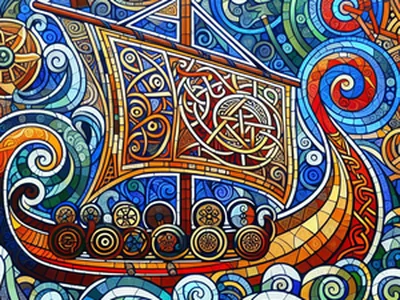
Common motifs include the ram, representing strength, and the sea, symbolizing life and sustenance.
What Brings Joy
Community gatherings, music festivals, and traditional dances bring joy to the Faroese people.
Celebrations Joyful Traditions
Ólavsøka, the national holiday, is a major celebration featuring parades, sports, and cultural events.
Cultural Calendar And Holidays
Key holidays include Ólavsøka, Christmas, and New Year's, each celebrated with unique Faroese traditions.
Additional Notes
Faroese culture is deeply intertwined with its natural environment, influencing artistic expression and daily life.
Economic Context And Occupations
The economy is primarily based on fishing, aquaculture, and tourism, with growing sectors in IT and creative industries.
Housing And Living Arrangements
Housing is typically single-family homes, often passed down through generations, reflecting the importance of family ties.
Nutrition And Dietary Norms
The Faroese diet is traditionally based on fish, lamb, and potatoes, with an increasing emphasis on local and sustainable food sources.
Interpretation Needs
While Faroese is the primary language, Danish is also widely understood, reducing the need for interpretation in most contexts.
Interpreter Notes
For non-Danish speakers, English is commonly used as a lingua franca, particularly in business and tourism.
Documentation Traditions
Documentation is primarily in Faroese and Danish, with efforts to preserve historical records and promote the Faroese language.
Interactions With Other Cultures
The Faroese engage in cultural exchanges with other Nordic countries, fostering mutual understanding and collaboration.
Conflict Resolution Mechanisms
Community meetings and dialogue are common methods for resolving conflicts, emphasizing consensus and cooperation.
Cultural Exchange Programs
Programs with Nordic and European countries are common, focusing on education, arts, and environmental initiatives.
Trade Relations
The Faroe Islands have strong trade relations with the EU, particularly in seafood exports.
Shared Artistic Projects
Collaborations in music and art with other Nordic countries are frequent, showcasing shared cultural heritage.
Intercultural Marriages
Intercultural marriages are common, often between Faroese and other Nordic nationals, reflecting open cultural attitudes.
Shared Educational Initiatives
Educational partnerships with Danish and Icelandic institutions are prevalent, enhancing academic and cultural ties.
Youth Perspectives
Faroese youth are increasingly global in outlook, valuing education and technology while maintaining cultural traditions.
Education Initiatives
Initiatives focus on bilingual education and STEM fields, preparing youth for diverse career opportunities.
Future Challenges
Challenges include balancing modernization with cultural preservation and addressing climate change impacts.
Youth Employment Trends
There is a trend towards careers in IT, creative industries, and sustainable practices, reflecting global influences.
Future Visions
The Faroese envision a future that embraces innovation while preserving their unique cultural identity.
Youth Leadership Roles
Youth are encouraged to take leadership roles in community projects and environmental initiatives.
Innovation And Startups
The startup scene is growing, with support for innovation in technology and sustainable industries.
Festivals And Celebrations
Ólavsøka and Summarfestivalurin are major festivals celebrating Faroese culture through music, dance, and community events.
Traditional Medicine Practices
Herbal remedies and traditional healing practices are still respected, particularly in rural communities.
Environmental Practices
Sustainability is a priority, with practices in place to protect marine life and promote renewable energy.
Rituals
Rituals often involve the sea, such as boat blessings and fishing ceremonies, reflecting the islands' maritime heritage.
Rites Of Passage
Rites of passage include confirmations and weddings, often celebrated with community gatherings and traditional foods.
Culinary Traditions
Traditional dishes include fermented lamb and fish, with a focus on local ingredients and seasonal produce.
Climate Adaptation Strategies
Efforts include coastal protection measures and research into climate-resilient agriculture.
Biodiversity Conservation
Conservation programs focus on protecting native bird species and marine ecosystems.
Sustainable Tourism Practices
Tourism initiatives emphasize eco-friendly practices and cultural education for visitors.
Renewable Energy Use
The Faroe Islands are investing in wind and hydroelectric power to reduce reliance on fossil fuels.
Community Involvement In Practices
Community involvement is key in environmental initiatives, with local groups actively participating in conservation efforts.
Environmental Education Programs
Schools incorporate environmental education into their curricula, fostering a culture of sustainability from a young age.
Notable Figures
Notable Faroese figures include writer William Heinesen and singer Eivør Pálsdóttir, who have gained international recognition.
Cultural Innovations
Innovations include unique knitting patterns and traditional Faroese chain dance, both integral to cultural identity.
Literary Works
Faroese literature often explores themes of nature and isolation, with authors like Jørgen-Frantz Jacobsen contributing to Nordic literature.
Architectural Styles
Traditional Faroese architecture features grass-roofed houses, designed to withstand harsh weather conditions.
Scientific Contributions
Research in marine biology and environmental science is prominent, reflecting the islands' focus on sustainable practices.
Culinary Innovations
Modern Faroese cuisine blends traditional ingredients with contemporary techniques, gaining attention in the Nordic culinary scene.
Global Influence
Faroese culture influences global music and art, with artists participating in international festivals and exhibitions.
Awards And Recognition
Faroese artists and writers have received accolades in Nordic and international circles, highlighting their cultural impact.
Modern Influences
Globalization has brought diverse influences to the Faroe Islands, seen in fashion, music, and technology.
Digital Presence
The Faroese have a strong digital presence, with active participation in social media and online cultural platforms.
Globalization Effects
While globalization offers economic opportunities, it also poses challenges to cultural preservation and identity.
Urbanization Effects
Urbanization is limited, with most Faroese living in small towns and villages, maintaining close community ties.
Technology Adoption
Technology is widely adopted, with high internet penetration and a focus on digital innovation.
Hybrid Cultural Forms
Hybrid cultural forms emerge in music and art, blending traditional Faroese elements with modern influences.
Social Media Presence
Social media is used to promote Faroese culture and connect with the global community, showcasing local traditions and innovations.
Challenges
Challenges include maintaining cultural identity in the face of modernization and addressing environmental impacts of climate change.
Preservation Efforts
Efforts focus on language preservation, cultural education, and sustainable practices to protect the Faroese way of life.
Cultural Artwork
Community Discussion
Further Reading
Explore credible external sources to deepen your understanding of Faroese culture.