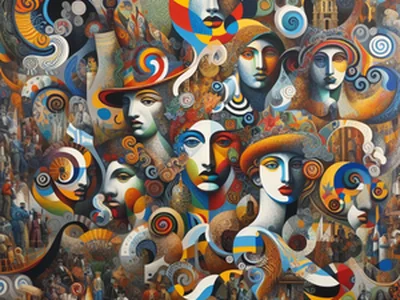


Colombian
South America SpanishWayuuEmberaKuna
Colombian culture is a vibrant blend of indigenous, African, and Spanish influences, characterized by its rich traditions, diverse music, and colorful festivals.
Historical Context
Colombia's history is marked by the convergence of indigenous civilizations, Spanish colonization, and African influences brought by the transatlantic slave trade.
Migration Patterns
Colombia has experienced significant internal migration due to conflict and economic opportunities, as well as emigration to countries like the United States and Spain.
Conflict And Resilience History
Colombia has faced decades of internal conflict, but has shown resilience through peace processes and community rebuilding efforts.
Diaspora Perspectives
The Colombian diaspora maintains strong cultural ties through festivals, music, and cuisine, often serving as cultural ambassadors in their host countries.
Regional Variations
Cultural practices vary significantly across regions, with the Caribbean coast known for its African influences, while the Andean region reflects more Spanish traditions.
Bridging Notes
Efforts to bridge cultural differences focus on celebrating diversity and promoting national unity through shared cultural expressions like music and sports.
Spiritual And Religious Practices
Predominantly Roman Catholic, with growing Protestant communities and indigenous spiritual practices.
Beliefs And Worldview
Colombians often value family, community, and a strong sense of national pride, with a worldview shaped by resilience and optimism.
Cultural Proverbs Sayings
Common sayings include 'El que persevera alcanza' (He who perseveres, reaches) and 'Más vale tarde que nunca' (Better late than never).
Naming Conventions And Terms Of Address
Colombians typically use two surnames, one from each parent, and address elders and authority figures with formal titles.
Health And Mental Health
Healthcare access varies, with urban areas having better facilities. Mental health is gaining recognition, though stigma remains.
Mental Health Views
Mental health issues are increasingly recognized, but traditional views may still associate them with personal weakness.
Traditional Healers
Curanderos and herbalists are common in rural areas, offering traditional remedies and spiritual healing.
Gender Roles In Healthcare
Women often take primary responsibility for family health, though gender roles are evolving.
Healthcare Barriers
Barriers include economic disparities, geographic isolation, and limited access to specialized care in rural areas.
Education And Learning Styles
Education is valued, with a focus on rote learning and respect for teachers. Access varies by region.
Learning Styles
Colombian students often engage in collaborative learning, with a strong emphasis on memorization and respect for authority.
Parental Engagement
Parents are actively involved in their children's education, often participating in school events and meetings.
Family And Social Structure
Family is central to Colombian life, often extending beyond the nuclear family to include a wide network of relatives.
Discipline And Behavior
Discipline is often strict, with an emphasis on respect for elders and authority figures.
Authority Attitudes
Respect for authority is ingrained, though younger generations are increasingly questioning traditional hierarchies.
Etiquette And Customs
Politeness and hospitality are key, with customs like greeting with a kiss on the cheek and offering refreshments to guests.
Community Strengths Resilience
Colombian communities are known for their resilience, strong social networks, and collective support systems.
Art Music And Expression
Colombian culture is rich in music and dance, with genres like cumbia, vallenato, and salsa being integral to cultural expression.
Cultural Symbols Motifs
Symbols like the sombrero vueltiao and the national flower, the orchid, are iconic in Colombian culture.
What Brings Joy
Music, dance, and family gatherings are central sources of joy, along with national pride in sports achievements.
Celebrations Joyful Traditions
Festivals like Carnaval de Barranquilla and Feria de las Flores are celebrated with vibrant parades and music.
Cultural Calendar And Holidays
Major holidays include Independence Day (July 20), Christmas, and Semana Santa (Holy Week).
Additional Notes
Colombian culture is characterized by its warmth, hospitality, and a deep appreciation for the arts and nature.
Economic Context And Occupations
Colombia's economy is diverse, with key sectors including agriculture, mining, and services. Informal employment is common.
Housing And Living Arrangements
Housing varies widely, from urban apartments to rural farms, with extended families often living together.
Nutrition And Dietary Norms
Colombian cuisine is diverse, with staples like rice, beans, and arepas, and a strong emphasis on fresh, local ingredients.
Interpretation Needs
Spanish is the primary language, but indigenous languages may require interpretation in certain regions.
Interpreter Notes
Interpreters should be aware of regional dialects and cultural nuances when working with Colombian communities.
Documentation Traditions
Documentation is typically in Spanish, with formal records maintained for legal and educational purposes.
Interactions With Other Cultures
Colombians are known for their openness and hospitality, often engaging positively with other cultures.
Conflict Resolution Mechanisms
Community dialogue and legal frameworks are used to address conflicts, with a strong emphasis on reconciliation.
Cultural Exchange Programs
Colombia participates in various cultural exchange programs, promoting arts and education internationally.
Trade Relations
Colombia has strong trade relations with countries in the Americas and Europe, focusing on coffee, flowers, and textiles.
Shared Artistic Projects
Collaborations in music and film are common, showcasing Colombian talent on international platforms.
Intercultural Marriages
Intercultural marriages are increasingly common, reflecting Colombia's diverse society.
Shared Educational Initiatives
Colombian universities often partner with international institutions for research and student exchange programs.
Youth Perspectives
Colombian youth are optimistic, valuing education and technology as pathways to a better future.
Education Initiatives
Government and NGOs are investing in education to improve access and quality, particularly in rural areas.
Future Challenges
Challenges include economic inequality, access to quality education, and addressing environmental concerns.
Youth Employment Trends
Youth employment is focused on technology, services, and entrepreneurship, with a growing interest in startups.
Future Visions
Colombian youth envision a future with greater equality, technological advancement, and environmental sustainability.
Youth Leadership Roles
Young Colombians are increasingly taking on leadership roles in social movements and political organizations.
Innovation And Startups
Colombia is becoming a hub for innovation, with a vibrant startup scene in cities like Bogotá and Medellín.
Festivals And Celebrations
Colombian festivals are vibrant and diverse, celebrating everything from music and dance to flowers and folklore.
Traditional Medicine Practices
Traditional medicine is practiced, especially in rural areas, using herbal remedies and spiritual healing.
Environmental Practices
Colombia is committed to environmental conservation, with efforts to protect its rich biodiversity.
Rituals
Rituals often blend indigenous and Catholic traditions, marking life events and seasonal changes.
Rites Of Passage
Rites of passage, such as quinceañeras, are important cultural milestones for young Colombians.
Culinary Traditions
Colombian cuisine is diverse, with regional specialties like bandeja paisa, sancocho, and arepas.
Climate Adaptation Strategies
Efforts are underway to address climate change impacts, focusing on sustainable agriculture and water management.
Biodiversity Conservation
Colombia is a leader in biodiversity conservation, with numerous national parks and protected areas.
Sustainable Tourism Practices
Sustainable tourism is promoted to preserve natural and cultural heritage while supporting local economies.
Renewable Energy Use
Colombia is investing in renewable energy, particularly hydroelectric and solar power, to reduce its carbon footprint.
Community Involvement In Practices
Communities are actively involved in conservation efforts, often leading local initiatives to protect the environment.
Environmental Education Programs
Environmental education is integrated into school curricula, raising awareness about conservation and sustainability.
Notable Figures
Notable Colombians include author Gabriel García Márquez, artist Fernando Botero, and singer Shakira.
Cultural Innovations
Colombia has contributed to music with genres like cumbia and vallenato, and to literature with magical realism.
Literary Works
Gabriel García Márquez's 'One Hundred Years of Solitude' is a seminal work of magical realism.
Architectural Styles
Colombian architecture blends colonial, indigenous, and modern styles, with landmarks like Cartagena's old city.
Scientific Contributions
Colombian scientists have made advances in fields like medicine, biodiversity, and environmental science.
Culinary Innovations
Colombian chefs are gaining international recognition for innovative dishes that highlight local ingredients.
Global Influence
Colombian culture has a global influence through its music, literature, and cuisine, celebrated worldwide.
Awards And Recognition
Colombians have received international awards, including Nobel Prizes and Grammy Awards, for their contributions to arts and sciences.
Modern Influences
Colombian culture is influenced by global trends in fashion, technology, and media, while maintaining traditional roots.
Digital Presence
Colombians are active on social media, using platforms to connect, share culture, and promote social causes.
Globalization Effects
Globalization has brought both opportunities and challenges, influencing cultural practices and economic development.
Urbanization Effects
Urbanization is reshaping Colombian cities, leading to cultural blending and new social dynamics.
Technology Adoption
Colombia is rapidly adopting technology, with a growing tech industry and widespread internet access.
Hybrid Cultural Forms
Hybrid cultural forms are emerging, blending traditional Colombian elements with global influences.
Social Media Presence
Social media is a powerful tool for cultural expression and activism, with Colombians engaging in global conversations.
Challenges
Challenges include preserving cultural heritage amidst modernization and addressing social inequalities.
Preservation Efforts
Efforts to preserve Colombian culture focus on protecting indigenous languages, traditional crafts, and historical sites.
Cultural Artwork
Community Discussion
Further Reading
Explore credible external sources to deepen your understanding of Colombian culture.