

Afghan
Central and South Asia DariPashto
The Afghan culture is a rich tapestry of traditions, languages, and customs shaped by its diverse ethnic groups and historical influences.
Historical Context
Afghanistan has a rich history as a crossroads of trade and conquest, influenced by Persian, Greek, Mongol, and Islamic empires.
Migration Patterns
Significant migration due to conflict and economic opportunities, with large diasporas in Pakistan, Iran, and Western countries.
Conflict And Resilience History
Decades of conflict have shaped Afghan society, fostering resilience and a strong sense of community.
Diaspora Perspectives
The Afghan diaspora maintains strong cultural ties, often supporting family and community back home through remittances.
Regional Variations
Cultural practices vary significantly across regions, influenced by local ethnic groups and geography.
Bridging Notes
Efforts to bridge cultural differences focus on shared values of hospitality and respect.
Spiritual And Religious Practices
Islam is the predominant religion, with practices including daily prayers, fasting during Ramadan, and attending mosque.
Beliefs And Worldview
Afghans value honor, hospitality, and community, with a worldview shaped by Islamic teachings and local traditions.
Cultural Proverbs Sayings
Common proverbs emphasize patience, respect, and the importance of family.
Naming Conventions And Terms Of Address
Names often reflect Islamic heritage, with respectful terms of address for elders and authority figures.
Health And Mental Health
Traditional medicine is common, alongside modern healthcare, with mental health often stigmatized.
Mental Health Views
Mental health issues are often seen as private matters, with a preference for family support over professional help.
Traditional Healers
Herbalists and spiritual healers play a role in traditional health practices.
Gender Roles In Healthcare
Gender roles can influence healthcare access, with women often requiring male accompaniment.
Healthcare Barriers
Barriers include limited access to facilities, cultural stigma, and economic constraints.
Education And Learning Styles
Education is valued, with a focus on rote learning and respect for teachers.
Learning Styles
Emphasis on memorization and oral transmission of knowledge.
Parental Engagement
Parents are highly involved in their children's education, often prioritizing it despite economic hardships.
Family And Social Structure
Family is the cornerstone of Afghan society, with extended families living together and elders holding authority.
Discipline And Behavior
Discipline is often strict, with an emphasis on respect and obedience to elders.
Authority Attitudes
Respect for authority is deeply ingrained, with elders and religious leaders holding significant influence.
Etiquette And Customs
Hospitality is a key custom, with guests treated with great respect and generosity.
Community Strengths Resilience
Community resilience is strong, with networks of mutual support and cooperation in times of need.
Art Music And Expression
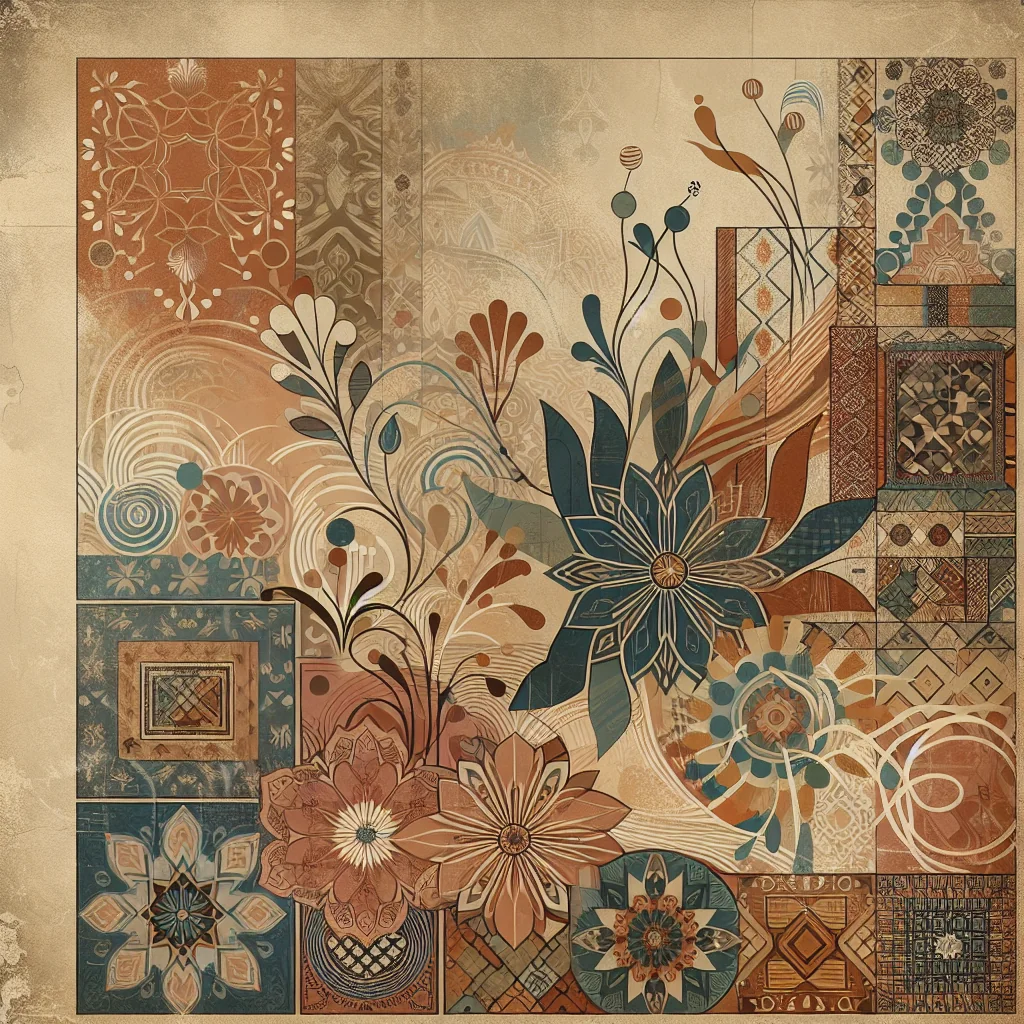
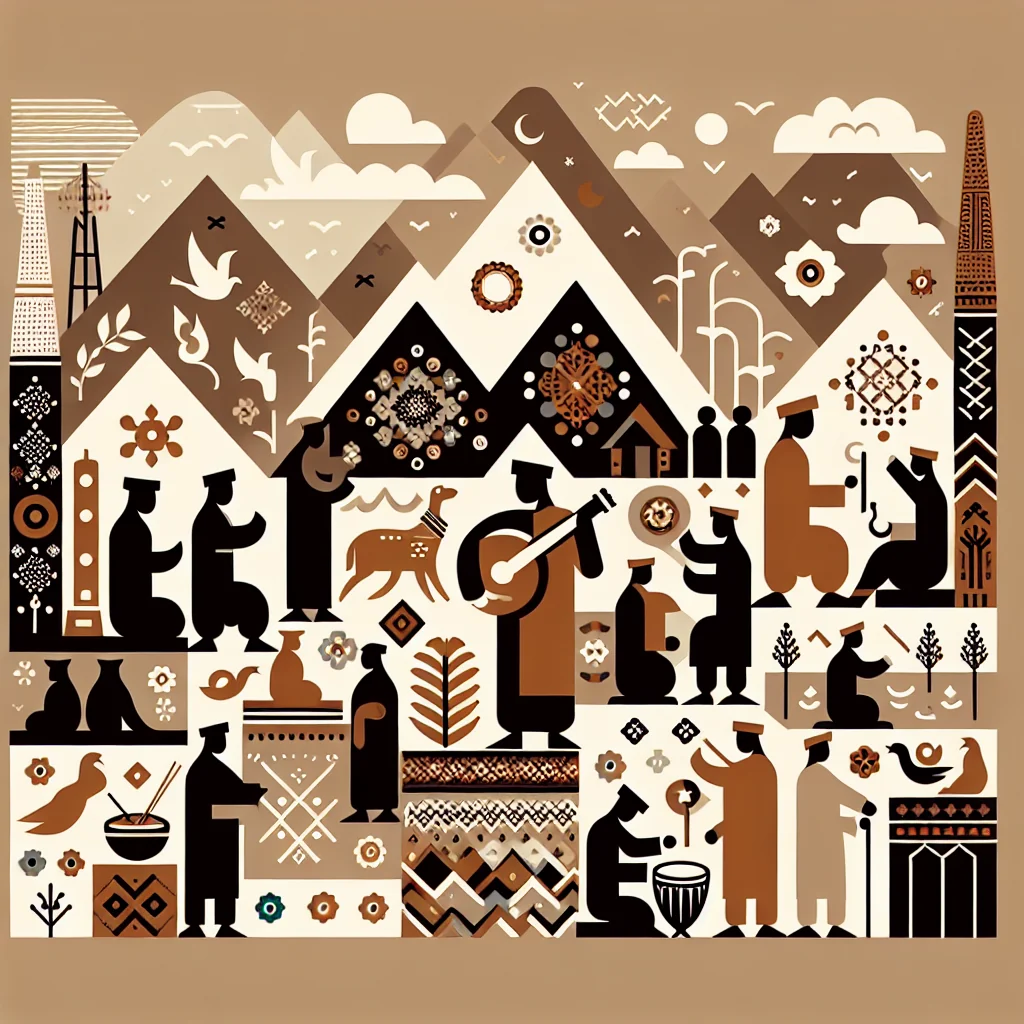
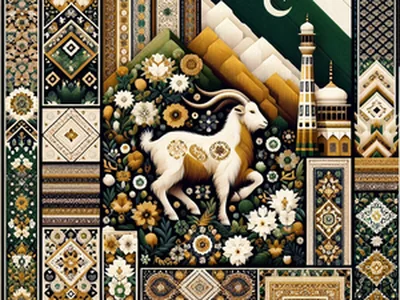
Afghan art includes intricate carpets, calligraphy, and traditional music like the rubab and tabla.
Cultural Symbols Motifs
Common symbols include the pomegranate, representing prosperity, and the lion, symbolizing courage.
What Brings Joy
Family gatherings, music, and traditional dances bring joy to Afghan communities.
Celebrations Joyful Traditions
Festivals like Nowruz and Eid are celebrated with feasts, music, and communal prayers.
Cultural Calendar And Holidays
The Afghan calendar includes Islamic holidays and traditional festivals like Nowruz.
Additional Notes
Afghan culture is vibrant and diverse, with each ethnic group contributing unique traditions and practices.
Economic Context And Occupations
Agriculture is a major occupation, alongside trade and small-scale industries.
Housing And Living Arrangements
Housing varies from urban apartments to rural compounds, often accommodating extended families.
Nutrition And Dietary Norms
Diet is based on grains, dairy, and meat, with an emphasis on halal practices.
Interpretation Needs
Interpretation services are crucial for Dari and Pashto speakers in non-native environments.
Interpreter Notes
Interpreters should be aware of cultural nuances and respectful communication styles.
Documentation Traditions
Oral traditions are strong, with stories and history often passed down verbally.
Interactions With Other Cultures
Afghans have historically interacted with neighboring cultures through trade and migration.
Conflict Resolution Mechanisms
Traditional councils, known as jirgas, play a key role in conflict resolution.
Cultural Exchange Programs
Limited due to political instability, but efforts exist to promote cultural understanding.
Trade Relations
Historically, Afghanistan has been a trade hub, connecting South and Central Asia.
Shared Artistic Projects
Collaborations in music and art exist with neighboring countries.
Intercultural Marriages
Intercultural marriages occur, often requiring negotiation of cultural practices.
Shared Educational Initiatives
Educational exchanges are limited but growing, focusing on language and cultural studies.
Youth Perspectives
Afghan youth are increasingly seeking education and employment opportunities, both locally and abroad.
Education Initiatives
NGOs and international organizations support educational programs, especially for girls.
Future Challenges
Challenges include economic instability, political unrest, and limited job opportunities.
Youth Employment Trends
Youth unemployment is high, with many seeking opportunities in urban centers or abroad.
Future Visions
There is a strong desire among youth for peace, stability, and modernization.
Youth Leadership Roles
Youth are increasingly taking on leadership roles in community and social initiatives.
Innovation And Startups
A growing interest in technology and entrepreneurship is evident among Afghan youth.
Festivals And Celebrations
Nowruz and Eid are major festivals, celebrated with communal gatherings and traditional foods.
Traditional Medicine Practices
Herbal remedies and spiritual healing are common traditional practices.
Environmental Practices
Efforts are being made to address deforestation and water management issues.
Rituals
Rituals often revolve around Islamic practices, such as prayer and fasting.
Rites Of Passage
Important rites include weddings, circumcision, and funerals, each with specific cultural practices.
Culinary Traditions
Afghan cuisine features dishes like kebabs, pilaf, and naan, often shared in communal settings.
Climate Adaptation Strategies
Traditional knowledge is used to adapt to climate challenges, such as drought-resistant crops.
Biodiversity Conservation
Efforts are underway to protect Afghanistan's unique flora and fauna.
Sustainable Tourism Practices
Tourism is limited but focuses on cultural heritage and natural landscapes.
Renewable Energy Use
Renewable energy projects are emerging, focusing on solar and wind power.
Community Involvement In Practices
Community involvement is crucial in environmental and cultural preservation efforts.
Environmental Education Programs
Programs aim to raise awareness about environmental issues and sustainable practices.
Notable Figures
Figures like Rumi and Ahmad Shah Durrani have made significant cultural contributions.
Cultural Innovations
Afghan carpet weaving and miniature painting are renowned cultural innovations.
Literary Works
Classical Persian poetry and modern Afghan literature reflect the country's rich literary heritage.
Architectural Styles
Islamic architecture, with intricate tile work and domes, is prominent in Afghan structures.
Scientific Contributions
Contributions in mathematics and astronomy during the Islamic Golden Age are notable.
Culinary Innovations
Afghan cuisine is known for its unique blend of spices and flavors, influencing regional cooking.
Global Influence
Afghan culture has influenced neighboring regions through trade and migration.
Awards And Recognition
Afghan artists and writers have received international recognition for their work.
Modern Influences
Globalization has introduced new cultural influences, particularly in urban areas.
Digital Presence
Increasing internet access is fostering a digital presence among Afghan youth.
Globalization Effects
Globalization is impacting traditional practices, with a blend of modern and traditional elements.
Urbanization Effects
Urbanization is leading to changes in social structures and lifestyles.
Technology Adoption
Technology adoption is growing, with mobile phones and social media becoming widespread.
Hybrid Cultural Forms
Hybrid cultural forms are emerging, blending traditional Afghan elements with global trends.
Social Media Presence
Social media is a platform for cultural expression and connection among Afghans, especially youth.
Challenges
Challenges include preserving cultural heritage amidst conflict and modernization pressures.
Preservation Efforts
Efforts are being made to document and preserve traditional crafts, languages, and practices.
Cultural Artwork
Community Discussion
Further Reading
Explore credible external sources to deepen your understanding of Afghan culture.